RAIL FREIGHT
Rail Freight
Intermodal rail between Asia and Europe: ocean economics at half the transit, with a fraction of the emissions.
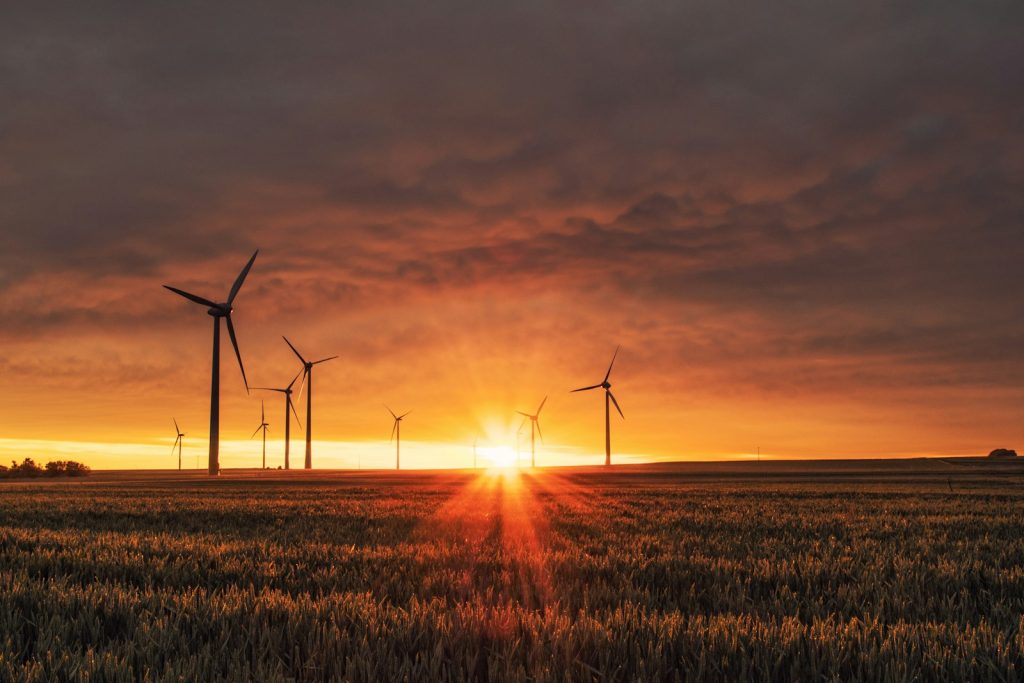
Intermodal rail between Asia and Europe: ocean economics at half the transit, with a fraction of the emissions.
Rail sits where most freight budgets actually live: roughly half the transit of ocean, a fraction of the cost of air, and up to 60 per cent lower emissions than the same move by road. We run weekly block trains on the main Asia–Europe corridors and buy space on daily intermodal services within Europe.
First and last mile stay on the road, because a siding is rarely where your cargo starts or ends. We plan the whole door-to-door move — pre-carriage, rail leg, customs and delivery — as one shipment on one contract.
Measured per container against the same move by road.
Fixed departures on the main Asia–Europe corridors.
Rail rates move far less than ocean spot or air.
Pre-carriage, rail and delivery planned as one shipment.
Pick the rail solution that fits your volume and your corridor.
A full container on a block train, sealed door to door.
Consolidated groupage on the same weekly departures.
Powered containers with monitored temperature logs.
We model road volume that can move to rail, and report the saving.
Typically 16–22 days terminal to terminal on the northern corridor, against 30–40 days by ocean. We quote the actual service, including pre- and on-carriage.
Usually not per container, but the gap narrows when ocean spot rates spike — and rail halves the time your stock sits in transit. For mid-value cargo the total landed cost is often lower.
Containers are transhipped between gauges at the border terminal. It is part of the scheduled service and adds no time to the quoted transit.
Yes. We report CO₂ per container on the GLEC framework, so the figure stands up in your own sustainability reporting.
Send us your corridor and we'll reply with a fixed rate within 2 business hours.
Request quoteChoose a demo, import it in minutes, and customize it to fit your brand.